A division of Mixed Media Ventures
A division of Mixed Media Ventures
Effortlessly Grow Your Imaging Center Practice Today
Increase Your Brand Awareness and Attract More New Cash Based, Insurance Based, and Doctor Referred Patients Consistently!
Get A Case Study Now & Learn How One of Our Clients Grew and Continues to Grow!
By signing up via text, you agree to receive recurring automated marketing messages, including cart reminders, at the phone number provided. Consent is not a condition of purchase. Reply STOP to unsubscribe. Message frequency varies. Msg & data rates may apply. Your Privacy is our priority. Your information will not be shared.
Let Us Help You Expand Your Reach
By marketing your Imaging Center, you can educate potential patients about the services and technology you offer, as well as the experience and qualifications of your staff. This can help build trust and credibility with potential patients, making them more likely to choose your center over competitors when they need imaging services.
Generate New Patients, Doctor Relationships, and Appointments in Record Time!
Effective marketing can help you reach new potential patients and health professionals who are in need of your services, and motivate them to make an appointment.or to speak with you to create new revenue generating relationships.
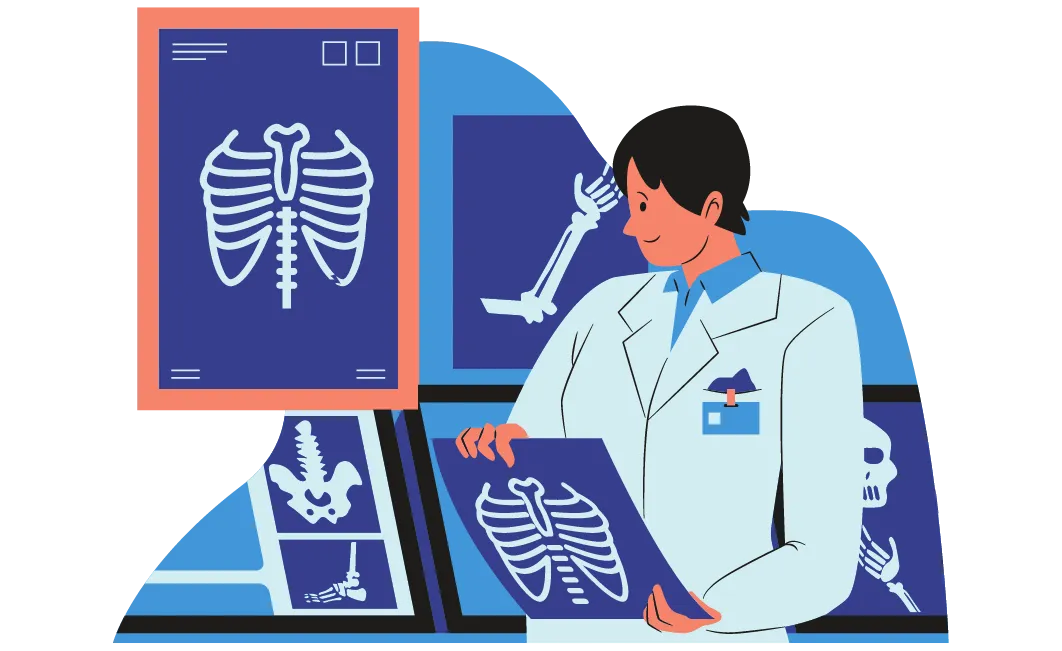
Stay Top of Mind with Current Patients, Past Patients, and Referral Partnerships with Automated Marketing & Reminders!
By sending regular communications, such as newsletters, email marketing, and text messaging campaigns, you can remind patients and referring doctor offices about the services you offer, and encourage them to return for follow-up appointments or refer friends and family to your center.

Stay Competitive in the Healthcare Marketplace with Easy to Use Modern Tools!
By promoting your imaging center through various marketing channels with a strategic advertising and marketing strategy, we can help make sure that your center is top of mind when a patient is in need of an imaging center, whether a simple x-ray or a contrast based MRI. We can help you retain patients and attract new ones.

Email, SMS & Voice Marketing
Patient Capture
Patient/Lead Management

Reputation
Management
Client Testimonials
706 W North Ave Lake Bluff, IL 60044
5.0

based on 100+ reviews

Wendy Ruhlig
Lorem ipsum dolor sit amet, consectetuer adipiscing elit. Aenean commodo ligula eget dolor. Aenean massa. Cum sociis natoque penatibus et magnis dis parturient montes, nascetur ridiculus mus. Donec quam felis, ultricies nec, pellentesque eu, pretium quis, sem. Nulla consequat massa quis enim. Donec pede justo, fringilla vel, aliquet nec, vulputate eget, arcu. In enim justo, rhoncus ut, imperdiet a, venenatis vitae, justo. Nullam dictum felis eu pede mollis pretium. Integer tincidunt. Cras dapibus. Vivamus elementum semper nisi. Aenean vulputate eleifend tellus. Aenean leo ligula, porttitor eu, consequat vitae, eleifend ac, enim.

Wendy Ruhlig
Lorem ipsum dolor sit amet, consectetuer adipiscing elit. Aenean commodo ligula eget dolor. Aenean massa. Cum sociis natoque penatibus et magnis dis parturient montes, nascetur ridiculus mus. Donec quam felis, ultricies nec, pellentesque eu, pretium quis, sem. Nulla consequat massa quis enim. Donec pede justo, fringilla vel, aliquet nec, vulputate eget, arcu. In enim justo, rhoncus ut, imperdiet a, venenatis vitae, justo. Nullam dictum felis eu pede mollis pretium. Integer tincidunt. Cras dapibus. Vivamus elementum semper nisi. Aenean vulputate eleifend tellus. Aenean leo ligula, porttitor eu, consequat vitae, eleifend ac, enim.
Wendy Ruhlig
Lorem ipsum dolor sit amet, consectetuer adipiscing elit. Aenean commodo ligula eget dolor. Aenean massa. Cum sociis natoque penatibus et magnis dis parturient montes, nascetur ridiculus mus. Donec quam felis, ultricies nec, pellentesque eu, pretium quis, sem. Nulla consequat massa quis enim. Donec pede justo, fringilla vel, aliquet nec, vulputate eget, arcu. In enim justo, rhoncus ut, imperdiet a, venenatis vitae, justo. Nullam dictum felis eu pede mollis pretium. Integer tincidunt. Cras dapibus. Vivamus elementum semper nisi. Aenean vulputate eleifend tellus. Aenean leo ligula, porttitor eu, consequat vitae, eleifend ac, enim.
Frequently Asked Questions
Below are some of the most common questions we hear when we have discussions with Imaging Diagnostic Centers.
How do I analyze the results from my digital marketing campaigns?
Imaging Media Group and Mixed Media Ventures, provide you with detailed reporting, explanations, mentoring, process creation, and the help you require to understand your campaign. Additionally, your results will also come in the form of inquiries from your community members on imaging services as well that we'll help you to keep a tally on so you can gauge the long term return on investment.
What is SalesPilot CRM?
SalesPilot CRM is the software platform we and your team will utilize to communicate with prospective patients, via text, email, and where all incoming patient/lead information resides. It is the platform that requests new 5-Star Google reviews to improve your SEO, helps with your Directory Citation completion, where your sales and lead generation funnels will reside. If we are doing any Facebook/Instagram, or Google Advertising, this is where your reporting will also reside.
Is my data safe?
Yes, your data is safe, as SalesPilot CRM is a secure platform for holding prospective patient and customer data.
Do I require HIPAA Compliance
If you plan on gathering PHI, gathering PHI via forms, or having any uploaded paperwork containing PHI, then, yes you will require HIPAA Compliance on SalesPilot CRM. If you do not plan on gathering information utilizing SalesPilot CRM, then you will not require HIPAA compliance. This is something we can discuss prior to launching your digital marketing activities.
What is the marketing and lead generation process?
It depends on the marketing channels utilized. In some cases it may be Facebook and Instagram. In other cases it may be Facebook, Instagram, and Google Adwords. In other cases it may just be SEO, Connected TV, etc. Each channel of marketing has its own processes. However, on the back end where you receive new patient requests and leads, will all flow through SalesPilot CRM whether it is an incoming phone conversation directed to your phone system, return email, or return text inquiry.
Still have questions? Want to see how we can help you achieve success? Reach out.
Use the form below to reach out to us and speak with a representative, and learn how you can grow your Imaging Center.
Let's Chat. Contact Us Now
Recent Blog Posts

How a Patient Charge Capture System Stops Revenue Leakage
By Jack Brandt, Imaging Media Group. Published October 14, 2026. Last updated October 14, 2026.
A patient charge capture system is a specialized software solution that tracks, records, and reconciles performed clinical services directly into billing workflows. For outpatient imaging facilities, automated charge capture prevents revenue leakage by matching completed imaging procedures with clinical documentation, eliminating unbilled services, reducing billing coding errors, and accelerating reimbursement cycles across front-desk and clinical operations.
What Is a Patient Charge Capture System in Diagnostic Care?
In independent imaging facilities, a patient charge capture system serves as the administrative bridge between clinical service delivery and revenue cycle management. When a patient undergoes an ultrasound, MRI, CT scan, or X-ray, every component of that appointment carries associated billing codes. These include the primary procedure, contrast materials, specialized views, and technical components. Charge capture refers to the process of recording these rendered services so that accurate claims can be generated and submitted to commercial payers, Medicare, or self-pay patients.
Historically, diagnostic facilities relied on manual charge sheets, paper encounter forms, or standalone logs filled out by technologists after exams. This manual approach creates room for forgotten charges, mistyped codes, and delayed billing submissions. A modern, automated patient charge capture system integrates directly with Radiology Information Systems (RIS), Picture Archiving and Communication Systems (PACS), and Electronic Health Records (EHR) to automatically capture service data at the point of care. By digitizing this touchpoint, facilities ensure that every clinical action taken during an exam is reflected in the billing ledger.
Effective patient data capture extends beyond simple charge entry. It creates a standardized digital record connecting patient registration, pre-authorization details, clinical documentation, and final billing claims. For administrators and practice owners across the United States, implementing robust charge capture tools reduces administrative backlogs, minimizes lost revenue, and provides clear operational visibility across front-desk and clinical teams.
Common Causes of Revenue Leakage in Radiology Workflows
Revenue leakage occurs when performed services are underbilled, incorrectly coded, or omitted entirely from billing claims. In high-volume imaging centers, fast-paced patient turnover and complex clinical workflows frequently exacerbate these leakage points. One primary driver of lost revenue is the reliance on manual handoffs between imaging technologists and billing personnel. When technologists must manually record added procedures or specialized contrast administration on paper notes, documentation can easily misplace or remain unread by billing coders.
Another critical source of revenue leakage is disconnected software systems. If an imaging facility operates with an isolated scheduling system, a standalone PACS, and a separate billing engine, data must be re-entered manually across multiple platforms. This fragmented data transfer invites human transcription errors, delayed claim generation, and missing procedural add-ons. Over time, these unbilled micro-services accumulate into significant financial losses that weaken an imaging facility's balance sheet.
Incomplete pre-authorization and eligibility verification at front-desk check-in also contribute directly to revenue leakage. If patient coverage details or prior authorizations are not reconciled before an exam is conducted, claims may face immediate rejections or prolonged payment denials. Addressing these workflow vulnerabilities requires a unified system that connects intake, clinical documentation, and billing into a single continuous sequence.
How Charge Capture Automation Reduces Billing Errors
Automating charge capture within radiology workflows addresses billing errors at their root cause by enforcing standardized rules and real-time validation. When an imaging technologist completes a scan, an automated patient charge capture system prompts the user to verify all performed components before closing the clinical record. If contrast media was administered or additional views were ordered mid-procedure, the system automatically appends the corresponding procedural charges to the patient record, preventing omitted claims.
Furthermore, automated charge capture solutions perform instantaneous coding checks against payer rules and internal fee schedules. By catching cross-coding discrepancies, missing modifiers, or incomplete documentation prior to claim generation, the system drastically reduces claim rejections and denials from insurance carriers. Billing teams spend far less time reviewing rejected claims and re-submitting documentation, leading to faster reimbursement times and lower administrative overhead.
Automated reconciliation also creates clear accountability across clinical and financial departments. Practice managers can generate daily audit logs comparing scheduled appointments against completed PACS studies and submitted billing charges. Any variance between performed procedures and billed services is flagged immediately, allowing managers to correct billing discrepancies before claims leave the office.
Key Features to Demand from Patient Data Capture Software
Selecting the right patient data capture technology requires evaluating how seamlessly a platform integrates with existing clinical systems. Imaging centers should prioritize software that offers bi-directional integration with existing RIS, PACS, and EHR systems. Bi-directional data flow ensures that patient demographics, order specifications, and clinical imaging notes sync automatically without requiring manual duplicate entries across different software interfaces.
Real-time validation prompts and customizable rules engines are equally essential features. The platform should allow administrators to configure procedural rules tailored to specific imaging modalities, payer guidelines, and facility protocols. For instance, if a specific modality requires a secondary modifier or pre-authorization code, the system should prompt clinical staff to confirm that data before finalizing the patient encounter.
Additionally, modern systems should offer mobile accessibility and intuitive user interface designs. Complex or cumbersome interfaces slow down technologists and front-desk staff, increasing the risk of data entry shortcuts or missed fields. Cloud-accessible reporting dashboards give center administrators real-time insights into charge status, unbilled orders, and billing clean-claim rates across single or multi-site outpatient locations.
Streamlining Front-Desk Intake and Patient Check-In
Front-desk check-in represents the first critical link in effective patient data capture. Streamlining this process with digital intake solutions speeds up patient arrival times while gathering accurate demographic and coverage information required for downstream billing. Digital intake tools allow patients to complete registration forms, upload insurance documentation, and verify demographic details online prior to their appointment or via digital kiosks upon arrival.
When front-desk staff capture complete patient information early, the likelihood of billing rejections due to demographic mismatches or invalid policy numbers drops significantly. Integrated intake systems also enable staff to calculate patient cost-sharing liabilities on the spot, allowing facilities to collect copayments, deductibles, or cash-pay fees at the time of service rather than attempting collection weeks after the visit.
Connecting front-desk intake directly to clinical charge capture ensures that pre-authorization requirements are linked directly to the completed imaging study. Front-office teams can immediately verify that ordered scans align with payer authorizations before the patient enters the exam room, establishing a clean workflow from initial reception to final reimbursement.
Aligning Operational Accuracy with Marketing Strategy
While internal workflow solutions like an automated patient charge capture system protect revenue margins, independent imaging centers must also focus on attracting and retaining patient volume. Efficient administrative and clinical workflows directly enhance the overall patient experience. Reduced check-in wait times, accurate billing statements, and clear communication build strong trust with patients and referring physician practices alike.
When patients experience smooth check-in procedures and receive clear billing statements without surprise errors, they are far more likely to leave positive online reviews and return for future diagnostic needs. Furthermore, referring doctor offices prefer sending their patients to imaging facilities that manage orders efficiently, avoid billing confusion, and deliver timely results.
At Imaging Media Group, we partner with independent diagnostic imaging centers to align operational efficiency with modern marketing strategies. Through tailored email, SMS, and voice outreach, reputation management, and automated patient communication solutions, Imaging Media Group helps facilities convert patient acquisition efforts into sustainable growth while maintaining strong referring physician relationships across the United States.
Implementing Standardized Charge Verification Protocols
Transitioning to an automated charge capture framework requires clear protocol design, continuous staff education, and ongoing operational auditing. Facility administrators should establish clear standard operating procedures detailing how clinical staff record secondary procedures, contrast usage, and extended exam times. Regular training sessions ensure that technologists and administrative personnel understand how digital charge entries impact overall practice financial health.
Maintaining strict compliance standards is vital throughout any workflow transformation. Facilities handling sensitive healthcare information must ensure that digital charge capture platforms comply with applicable federal privacy and security standards. When evaluating technical compliance and HIPAA requirements, a qualified compliance adviser should review specific software configurations, data encryption protocols, and administrative access controls to ensure complete regulatory alignment.
Finally, routine charge auditing helps imaging centers measure system performance and identify emerging bottleneck areas. By reviewing daily charge capture reports, practice leaders can evaluate claim submission speeds, spot recurring coding adjustments, and continuously refine front-desk and clinical workflows for maximum administrative health.
Frequently Asked Questions
What is a patient charge capture system in outpatient diagnostic care?
A patient charge capture system is software that records, verifies, and transfers clinical service data from patient appointments directly into billing workflows. In outpatient imaging centers, it ensures all performed procedures, contrast media, and technical components are fully documented and billed accurately without reliance on manual paper records.
How does charge capture automation reduce billing errors in radiology?
Automation reduces billing errors by enforcing real-time coding checks, prompting clinical staff to log extra procedural components at the point of care, and linking RIS, PACS, and billing software. This eliminates manual data re-entry, catches missing modifiers, and ensures claims comply with payer guidelines prior to submission.
What key features should imaging centers demand from data capture software?
Imaging centers should seek bi-directional integration with existing RIS and PACS platforms, real-time procedural validation prompts, customizable payer coding rules, intuitive user interfaces, and comprehensive audit reporting dashboards that track unbilled orders and claim status in real time.
How does patient data capture impact front-desk operations?
Digital patient data capture streamlines front-desk check-in by allowing digital demographic collection, automated insurance coverage verification, and upfront copayment collection. Capturing accurate patient information prior to exams reduces claim rejections caused by administrative errors.
Related reading
- Optimizing Patient Data Capture for Imaging Workflows
- The Power of Automated Patient Engagement in Radiology Practices
Want to see how Imaging Media Group helps imaging centers attract more patients and referring doctors? Request the case study.

© 2025 Imaging Media Group - All Rights Reserved
Imaging Media Group and SalesPilot CRM are divisions of Mixed Media Ventures