A division of Mixed Media Ventures
A division of Mixed Media Ventures
Effortlessly Grow Your Imaging Center Practice Today
Increase Your Brand Awareness and Attract More New Cash Based, Insurance Based, and Doctor Referred Patients Consistently!
Get A Case Study Now & Learn How One of Our Clients Grew and Continues to Grow!
By signing up via text, you agree to receive recurring automated marketing messages, including cart reminders, at the phone number provided. Consent is not a condition of purchase. Reply STOP to unsubscribe. Message frequency varies. Msg & data rates may apply. Your Privacy is our priority. Your information will not be shared.
Let Us Help You Expand Your Reach
By marketing your Imaging Center, you can educate potential patients about the services and technology you offer, as well as the experience and qualifications of your staff. This can help build trust and credibility with potential patients, making them more likely to choose your center over competitors when they need imaging services.
Generate New Patients, Doctor Relationships, and Appointments in Record Time!
Effective marketing can help you reach new potential patients and health professionals who are in need of your services, and motivate them to make an appointment.or to speak with you to create new revenue generating relationships.
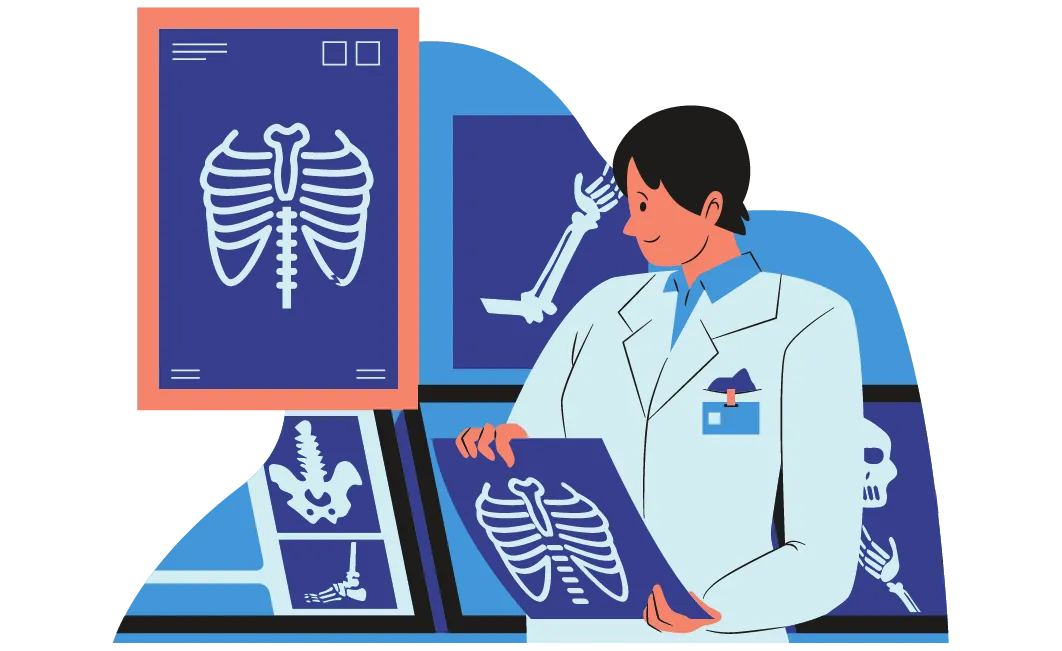
Stay Top of Mind with Current Patients, Past Patients, and Referral Partnerships with Automated Marketing & Reminders!
By sending regular communications, such as newsletters, email marketing, and text messaging campaigns, you can remind patients and referring doctor offices about the services you offer, and encourage them to return for follow-up appointments or refer friends and family to your center.

Stay Competitive in the Healthcare Marketplace with Easy to Use Modern Tools!
By promoting your imaging center through various marketing channels with a strategic advertising and marketing strategy, we can help make sure that your center is top of mind when a patient is in need of an imaging center, whether a simple x-ray or a contrast based MRI. We can help you retain patients and attract new ones.

Email, SMS & Voice Marketing
Patient Capture
Patient/Lead Management

Reputation
Management
Client Testimonials
706 W North Ave Lake Bluff, IL 60044
5.0

based on 100+ reviews

Wendy Ruhlig
Lorem ipsum dolor sit amet, consectetuer adipiscing elit. Aenean commodo ligula eget dolor. Aenean massa. Cum sociis natoque penatibus et magnis dis parturient montes, nascetur ridiculus mus. Donec quam felis, ultricies nec, pellentesque eu, pretium quis, sem. Nulla consequat massa quis enim. Donec pede justo, fringilla vel, aliquet nec, vulputate eget, arcu. In enim justo, rhoncus ut, imperdiet a, venenatis vitae, justo. Nullam dictum felis eu pede mollis pretium. Integer tincidunt. Cras dapibus. Vivamus elementum semper nisi. Aenean vulputate eleifend tellus. Aenean leo ligula, porttitor eu, consequat vitae, eleifend ac, enim.
Frequently Asked Questions
Below are some of the most common questions we hear when we have discussions with Imaging Diagnostic Centers.
How do I analyze the results from my digital marketing campaigns?
Imaging Media Group and Mixed Media Ventures, provide you with detailed reporting, explanations, mentoring, process creation, and the help you require to understand your campaign. Additionally, your results will also come in the form of inquiries from your community members on imaging services as well that we'll help you to keep a tally on so you can gauge the long term return on investment.
What is SalesPilot CRM?
SalesPilot CRM is the software platform we and your team will utilize to communicate with prospective patients, via text, email, and where all incoming patient/lead information resides. It is the platform that requests new 5-Star Google reviews to improve your SEO, helps with your Directory Citation completion, where your sales and lead generation funnels will reside. If we are doing any Facebook/Instagram, or Google Advertising, this is where your reporting will also reside.
Is my data safe?
Yes, your data is safe, as SalesPilot CRM is a secure platform for holding prospective patient and customer data.
Do I require HIPAA Compliance
If you plan on gathering PHI, gathering PHI via forms, or having any uploaded paperwork containing PHI, then, yes you will require HIPAA Compliance on SalesPilot CRM. If you do not plan on gathering information utilizing SalesPilot CRM, then you will not require HIPAA compliance. This is something we can discuss prior to launching your digital marketing activities.
What is the marketing and lead generation process?
It depends on the marketing channels utilized. In some cases it may be Facebook and Instagram. In other cases it may be Facebook, Instagram, and Google Adwords. In other cases it may just be SEO, Connected TV, etc. Each channel of marketing has its own processes. However, on the back end where you receive new patient requests and leads, will all flow through SalesPilot CRM whether it is an incoming phone conversation directed to your phone system, return email, or return text inquiry.
Still have questions? Want to see how we can help you achieve success? Reach out.
Use the form below to reach out to us and speak with a representative, and learn how you can grow your Imaging Center.
Let's Chat. Contact Us Now
Recent Blog Posts

Patient Intake Software for Diagnostic Imaging Centers
By Jack Brandt, Imaging Media Group. Published October 26, 2026. Last updated October 26, 2026.
Selecting patient intake software for diagnostic imaging centers requires evaluating pre-registration capabilities, digital questionnaire customization, automated insurance card scanning, and direct integration with Radiology Information Systems (RIS). Effective intake platforms allow patients to complete forms on mobile devices prior to their appointments, reducing front-desk processing times and minimizing administrative registration errors.
Key Features in Patient Intake Software for Diagnostic Imaging Centers
Diagnostic imaging facilities operate under unique operational workflows compared to standard ambulatory clinics. High-volume imaging centers must capture specialized patient information before performing procedures, including MRI safety screening, contrast media risk evaluations, and prior authorization details. Standard patient check-in software often lacks the modality-specific logic required to handle these complex requirements effectively.
When selecting a platform, imaging administrators should look for dynamic form logic that adapts questionnaires based on the ordered procedure. For example, a patient scheduled for a magnetic resonance imaging exam requires detailed screening for metallic implants or pacemakers, whereas a mammography patient requires specific clinical history questions. Automated screening forms flag potential safety contraindications early, allowing staff to clear safety concerns long before the patient steps into the scanning suite.
Mobile accessibility is another non-negotiable feature. Modern intake platforms send automated secure links via text message or email, permitting patients to complete pre-registration forms on personal smartphones or home computers. Features such as optical character recognition enable patients to photograph insurance cards and driver licenses, instantly populating demographic and policy fields into digital forms.
Improving Accuracy Through Digital Patient Data Capture
Eliminating paper intake clipboards in favor of standardized digital intake forms directly enhances operational efficiency across the entire practice. Paper-based check-in processes introduce frequent human errors, such as illegible handwriting, incomplete insurance numbers, or missing emergency contacts. These minor data entry errors multiply administrative workloads and lead to claim rejections, delayed pre-authorizations, and billing disputes.
Standardized patient data capture enforces mandatory data fields and real-time formatting validation before forms are submitted. When patients type their own information into a secure digital form, demographic accuracy improves significantly. Front-office teams spend less time manually keying handwritten clipboard data into registration screens, freeing up administrative capacity to address patient questions and verify coverage details.
Furthermore, digital intake software enables real-time electronic insurance verification. By cross-referencing patient-submitted policy information directly against payer databases before the appointment, imaging centers reduce point-of-service billing friction and ensure copays or deductibles are calculated accurately prior to procedure performance.
Integrating Intake Software with RIS and PACS Systems
For a digital intake solution to deliver tangible workflow improvements, it must integrate seamlessly with existing clinical software systems. The primary hub for imaging center administrative operations is the Radiology Information System (RIS), while images and clinical records reside in the Picture Archiving and Communication System (PACS) or Electronic Health Record (EHR) environment.
Intake platforms connect to RIS infrastructure through standardized healthcare interoperability protocols such as HL7 and modern FHIR APIs. When a patient completes pre-registration online, demographic, insurance, and billing details flow directly into the RIS database, updating the scheduling and patient management modules automatically without manual staff intervention.
Clinical safety screening responses, such as completed MRI questionnaire forms and signed digital consents, are converted into standard PDF attachments or discrete data structures. These documents are archived directly within the patient record in the PACS or EHR. Radiologists and imaging technologists can immediately review signed safety forms on their workstation displays prior to initiating exams. Facilities should consult qualified technical and compliance advisers to ensure all data transmission protocols meet applicable privacy regulations and technical security standards.
Evaluating Software Categories for Diagnostic Centers
Diagnostic facilities have several architectural choices when evaluating digital intake solutions. The table below outlines the primary software categories, their ideal use cases, and deployment trade-offs.
| Software Approach | Best For | Pros | Cons | Integration Effort |
|---|---|---|---|---|
| RIS-Native Intake Modules | Independent imaging facilities seeking single-vendor management without third-party tools. | Direct sync with primary scheduling database; no external software management. | Less flexible form customization; mobile user interface may feel outdated. | Low setup effort. |
| Standalone Digital Intake Platforms | Multi-location centers focused on high-volume imaging center patient engagement. | Highly customizable form logic; modern smartphone user experience; automated SMS reminders. | Requires HL7 interface engine configuration and recurring software subscription fees. | Moderate setup effort. |
| Custom Web Portal Extensions | Large enterprise radiology networks with dedicated internal software developers. | Total customization of registration workflows and complete branding control. | High upfront development overhead and ongoing software maintenance responsibilities. | High development effort. |
Determining the Best Approach for Specific Practice Workflows
Choosing the right intake architecture depends heavily on facility size, technical capacity, and workflow priorities. RIS-Native Intake Modules represent an effective choice for single-location centers seeking a straightforward deployment. Because the intake software is built directly into the core radiology database, administrative staff manage patient check-in within a single, familiar system. However, these modules may offer fewer modern mobile features that drive high remote pre-registration completion rates.
Standalone Digital Intake Platforms are ideal for growing diagnostic imaging centers that want to maximize imaging center patient engagement and streamline waiting room check-in. These platforms specialize in flexible digital forms, mobile card scanning, and automated pre-appointment reminders. However, if an imaging center relies on older server software without open API connections, integration interfaces can require additional technical configuration.
Custom Web Portal Extensions are best suited for large enterprise healthcare networks that manage multiple radiology facilities across different geographic regions. While custom portals offer unlimited adaptability, they are rarely practical or cost-effective for independent imaging centers that do not employ dedicated internal software engineering teams.
Reducing Waiting Room Friction and Unattended Appointments
Shifting patient registration from physical waiting room clipboards to pre-arrival digital forms significantly reduces operational bottlenecks. When patients complete intake paperwork on personal devices prior to arrival, front-desk check-in times drop from minutes to seconds. Patients verify their identity, present their physical insurance cards for a quick scan if needed, and take a seat, drastically cutting waiting room congestion.
Pre-registration workflows also help reduce unattended appointments and last-minute cancellations. Software platforms that send digital intake links via automated SMS or email establish a reliable communication channel prior to the appointment. Prompts can include exam preparation instructions, such as fasting guidelines or arrival times, alongside pre-registration forms.
When a patient completes digital forms prior to their scheduled time, front-office personnel receive a clear signal that the patient intends to keep the appointment. Conversely, if a patient fails to complete pre-registration prompts, staff can follow up proactive by phone to confirm the order or fill open appointment slots from a pending waitlist.
Understanding Cost Drivers and Financial Considerations
The cost of patient intake software for radiology practices depends on pricing structures, facility scale, and integration complexity. Vendors generally structure recurring software charges as monthly or annual subscriptions based on the number of physical locations, active imaging modalities, or monthly patient volume.
In addition to subscription fees, diagnostic centers must account for initial implementation expenses. These upfront costs may include custom interface development to connect external forms to the center's RIS, staff training sessions, and custom digital form design services. Complex deployments involving multiple legacy software systems generally incur higher setup costs than cloud-based turn-key solutions.
When evaluating return on investment, imaging center decision-makers should consider administrative time savings alongside software licensing fees. Eliminating paper forms lowers physical printing expenses, decreases billing staff overhead dedicated to correcting registration typos, and allows technologists to maintain punctual daily scanning schedules. Facilities should request itemized quotes from vendors that delineate recurring licensing fees from one-time setup costs.
Connecting Digital Intake with Practice Growth Strategies
Digital patient intake software serves as a core foundation for operational efficiency, but full center growth requires connecting intake technology with consistent marketing outreach. Imaging Media Group supports independent imaging centers across the United States by providing comprehensive marketing services, including automated email, SMS, and voice campaigns that keep patients and referring physician offices engaged.
While patient intake software streamlines document collection at check-in, marketing and lead management frameworks from Imaging Media Group help imaging centers capture new cash-pay, insurance, and doctor-referred patients. By combining efficient patient data capture at pre-registration with automated communication and reputation management, diagnostic imaging centers establish modern patient engagement workflows that drive long-term practice growth.
Frequently Asked Questions
What features should imaging centers look for in patient intake software?
Diagnostic imaging centers should prioritize modality-specific digital forms, automated safety screeners, digital consent capture, mobile insurance card scanning, real-time eligibility verification, and direct HL7 or FHIR integration with their existing Radiology Information System.
How does digital patient intake integrate with RIS and PACS systems?
Digital intake software integrates with RIS and PACS through HL7 interfaces or FHIR APIs. Patient demographics and insurance data flow directly into the RIS database, while completed safety forms and patient consents are archived as clinical documents in the PACS or electronic record.
Can digital intake forms reduce patient wait times and no-shows?
Yes. Allowing patients to complete pre-registration forms on their smartphones prior to arrival eliminates paper clipboard delays in the waiting room. Automated SMS and email intake prompts also remind patients of appointment preparation guidelines, improving overall attendance rates.
How much does patient intake software for radiology practices cost?
Software costs are determined by vendor licensing models, such as monthly subscription fees per location or per modality, along with initial interface setup fees for RIS integration. Diagnostic facilities should request detailed quotes based on their specific transaction volume and technical environment.
Related reading
- Beyond Reminders: Effective Strategies for Patient Engagement in Diagnostic Imaging Centers
- Why PPC Advertising is Important for Imaging Diagnostic Centers
Want to see how Imaging Media Group helps imaging centers attract more patients and referring doctors? Request the case study.

© 2025 Imaging Media Group - All Rights Reserved
Imaging Media Group and SalesPilot CRM are divisions of Mixed Media Ventures